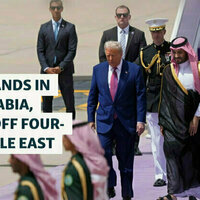


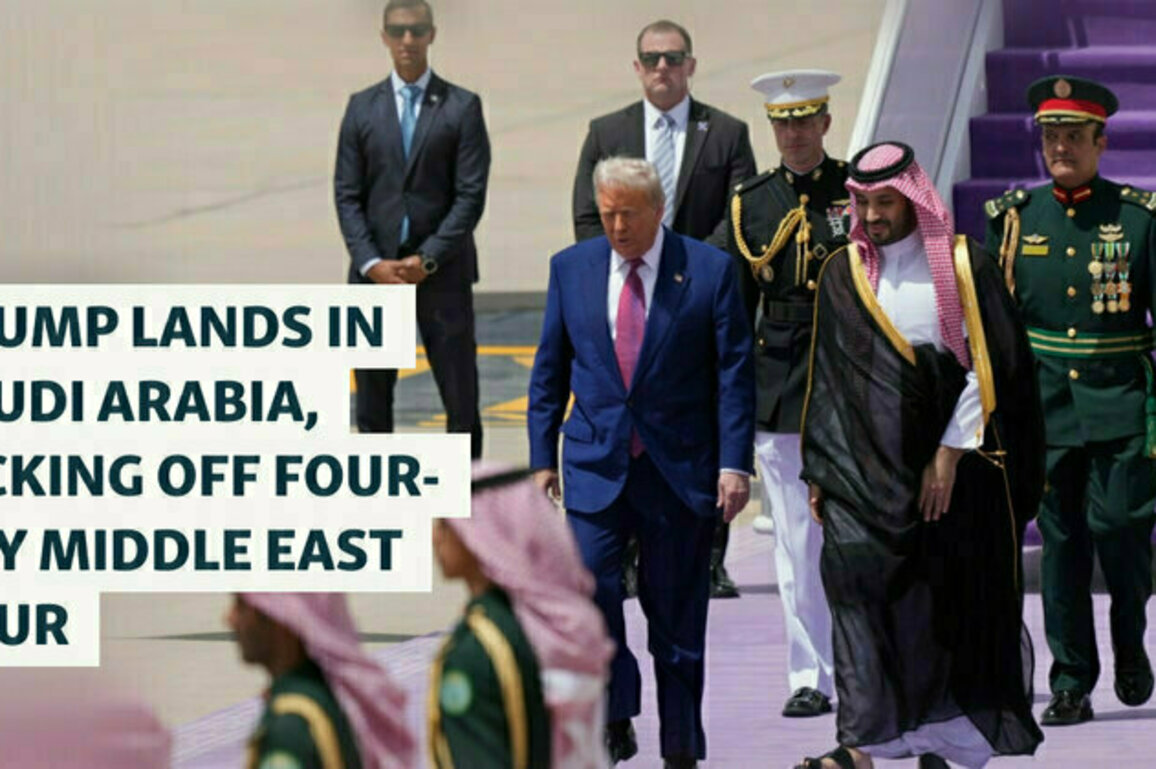
US President Donald touched down in the Saudi capital, Riyadh, on May 13, marking the start of a four-day trip across the Persian Gulf region that will see him visit Qatar and the United Arab Emirates.
This is the second time Trump has chosen the kingdom as the first foreign destination of his presidency, having made the same choice at the start of his first term in 2017.
Upon arrival, Trump was greeted by Crown Prince Muhammad bin Salman at the airport, where an official welcome ceremony took place, including a royal purple carpet and a coffee ceremony.
The streets of Riyadh were decorated with Saudi US flags, and Air Force One received a military escort from Saudi F-15 fighter jets as it landed.
Trumps agenda in Saudi Arabia centers on securing significant business agreements, with a focus on investments in artificial intelligence, energy, and substantial arms deals. He aims to finalize agreements exceeding $1 trillion during this trip, although experts note that such a figure would be unprecedented.
The visit also includes participation in an investment forum, bilateral talks, and a dinner with the crown prince.
SEE ALSO:
Trump Eyes Saudi Civil Nuclear Deal, Sidestepping Israeli Concerns
One of the key deals on the table during Trumps visit is a US-Saudi civil nuclear agreement, which would support the kingdoms ambitions to develop its own nuclear energy sector.
Notably, the Trump administration is no longer requiring Saudi Arabia to normalize relations with Israel as a precondition for advancing these nuclear talks -- a significant shift from previous US policy under President Joe Biden, when nuclear cooperation was tied to progress on Israeli normalization.
This delinking of the nuclear deal from Israeli normalization reflects both the stalled peace process due to the Gaza conflict and a major concession by Washington to Riyadh.
White House officials and Trump himself have confirmed that a visit to Israel will not occur on this trip, despite speculation and some Israeli hopes that he might add a stop in Jerusalem or Tel Aviv.
"We will be doing it at some point. But not for this trip," Trumpsaidlast week.
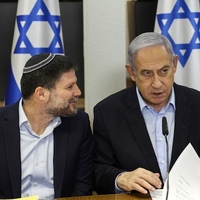
The decision has caused unease among Israeli officials, who see it as a signal of shifting US priorities in the region and growing friction between Trump and Israeli Prime Minister Benjamin Netanyahu, particularly over the Gaza war, the presidents Iran policy, and his broader regional strategy.